Physics, de{coded}
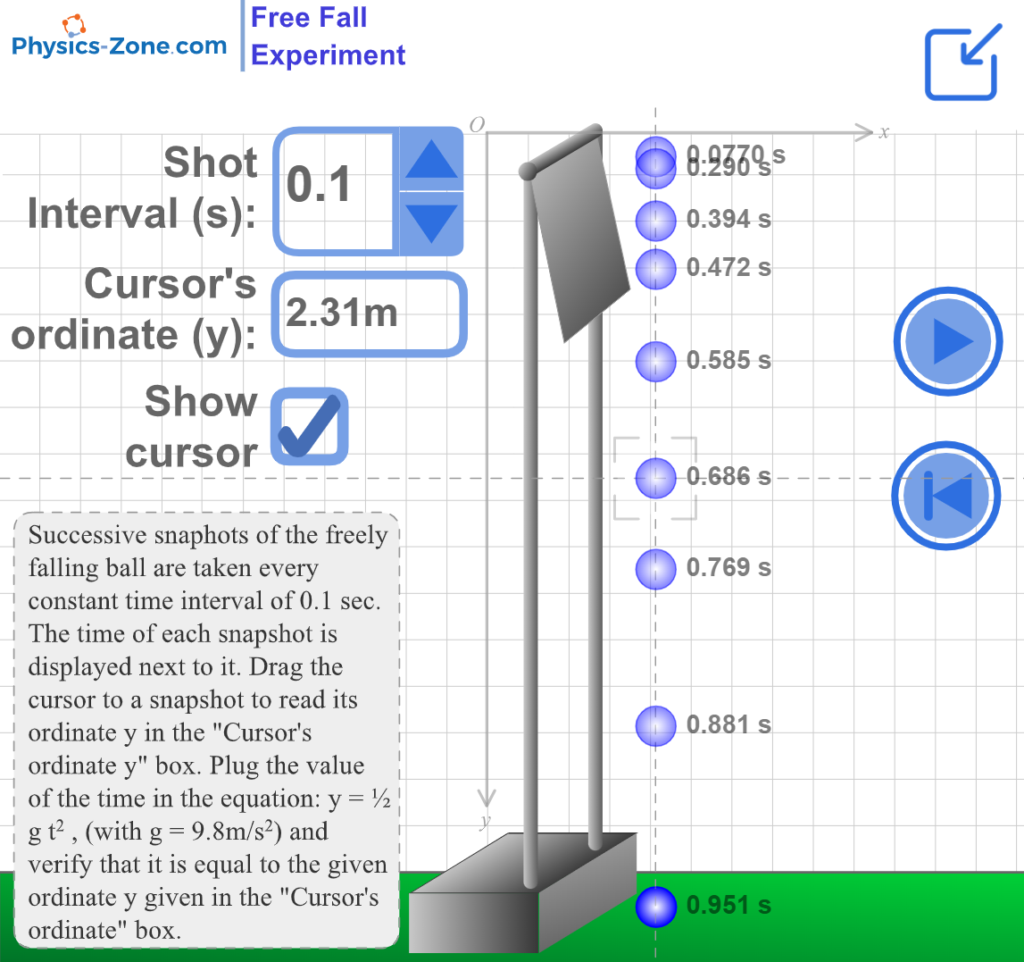
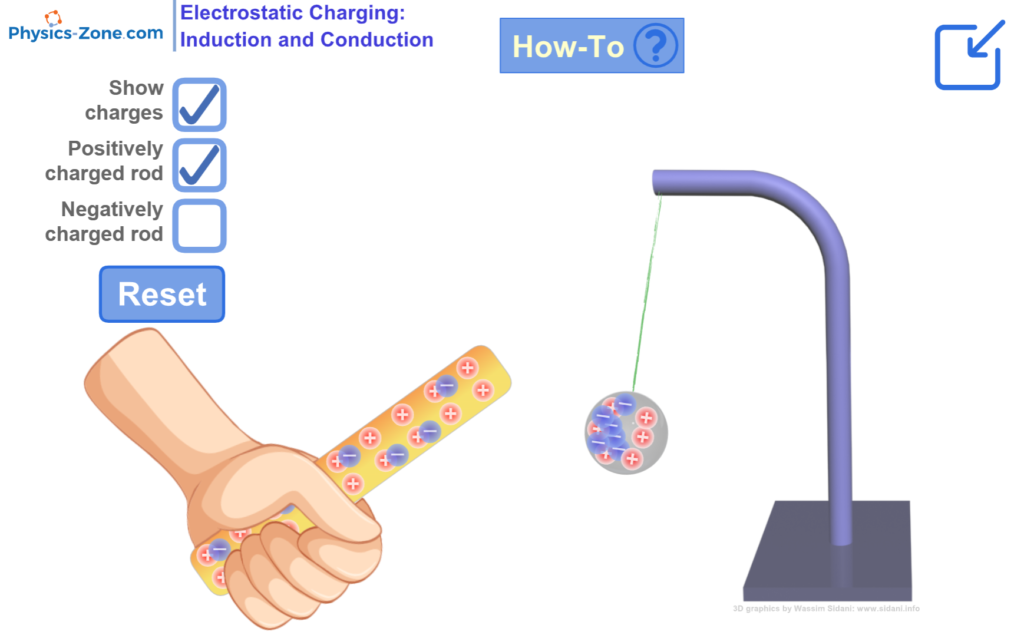
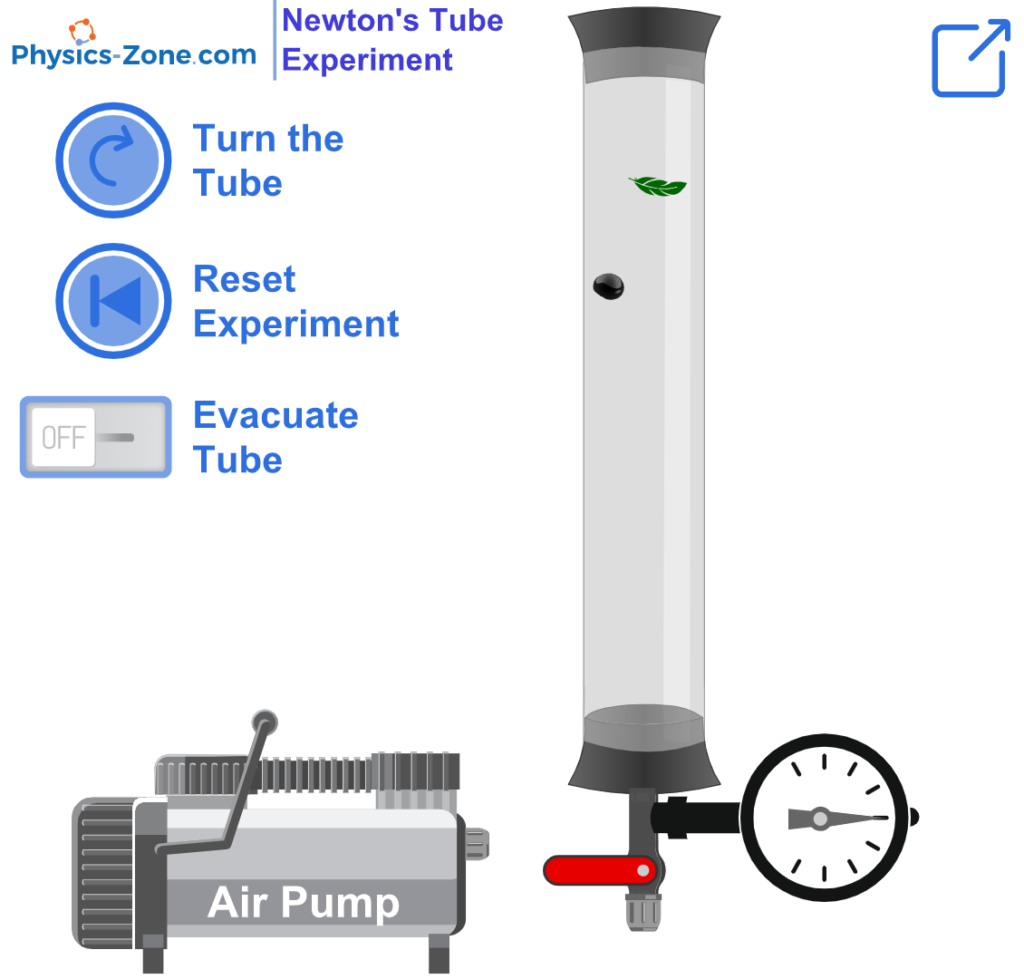
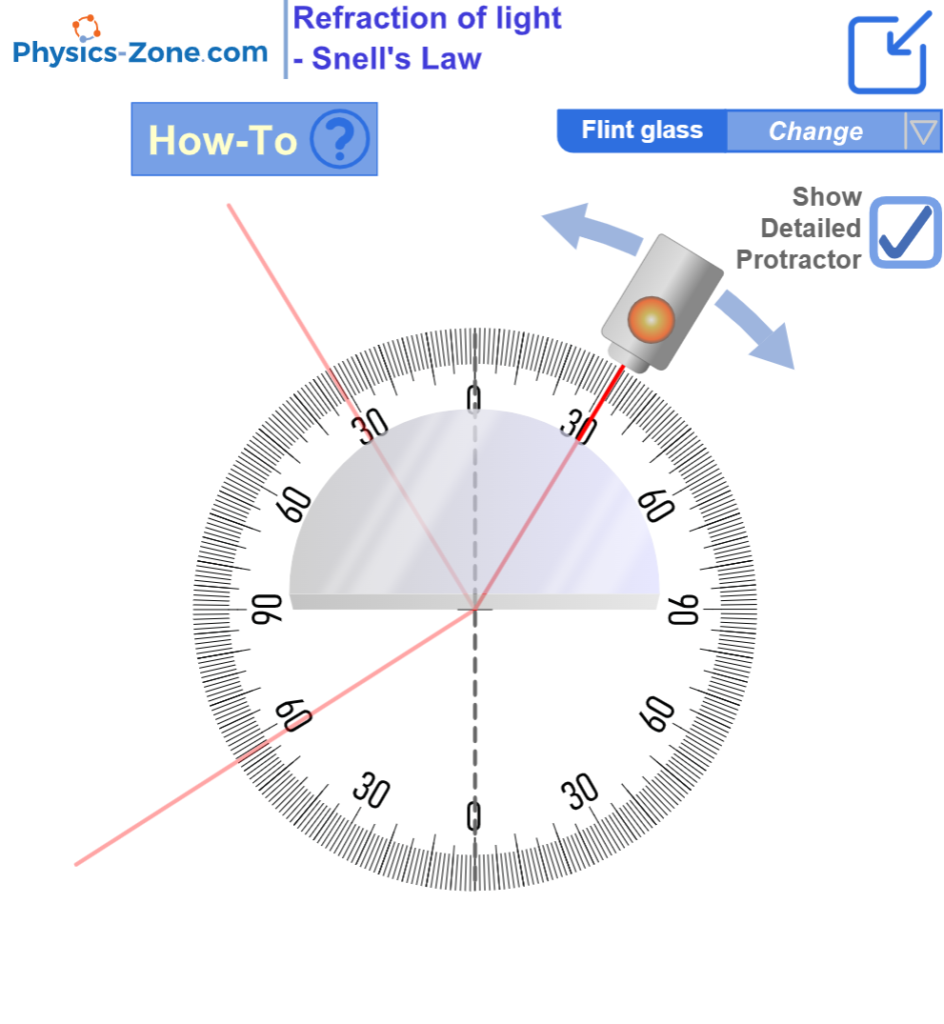
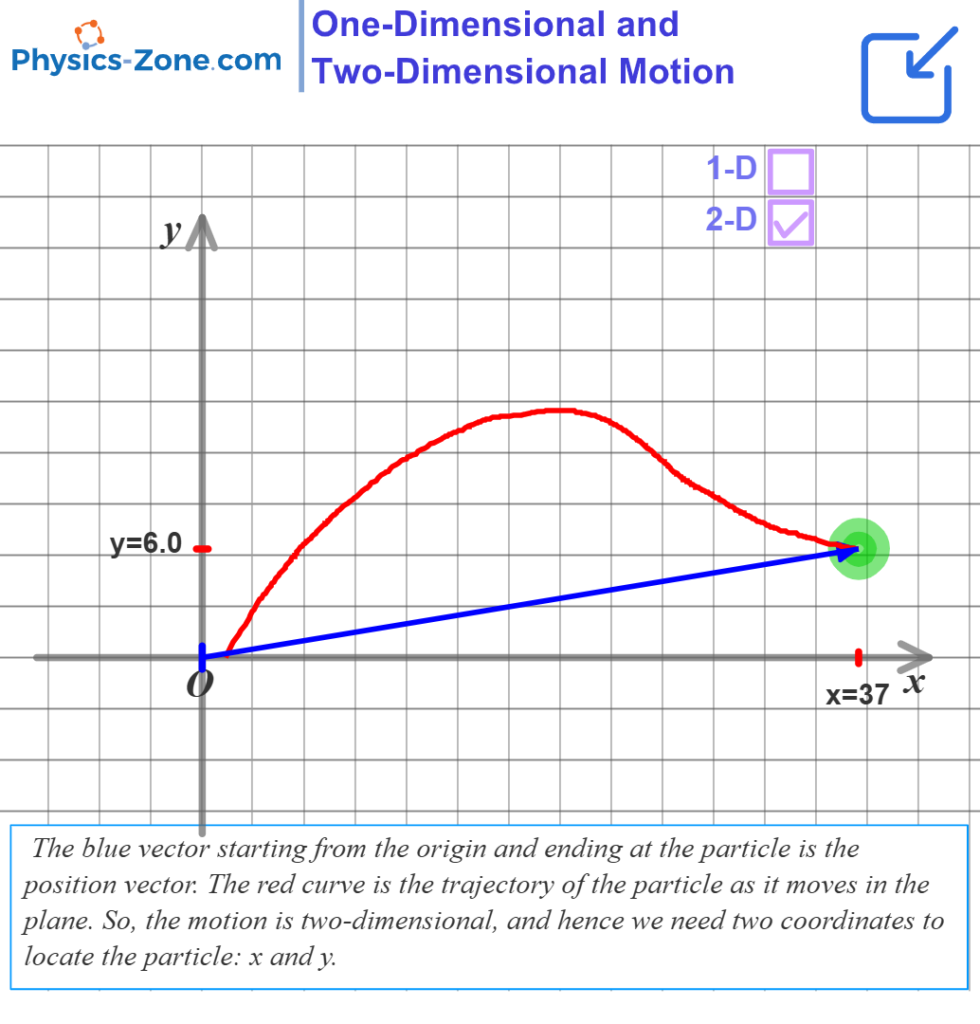
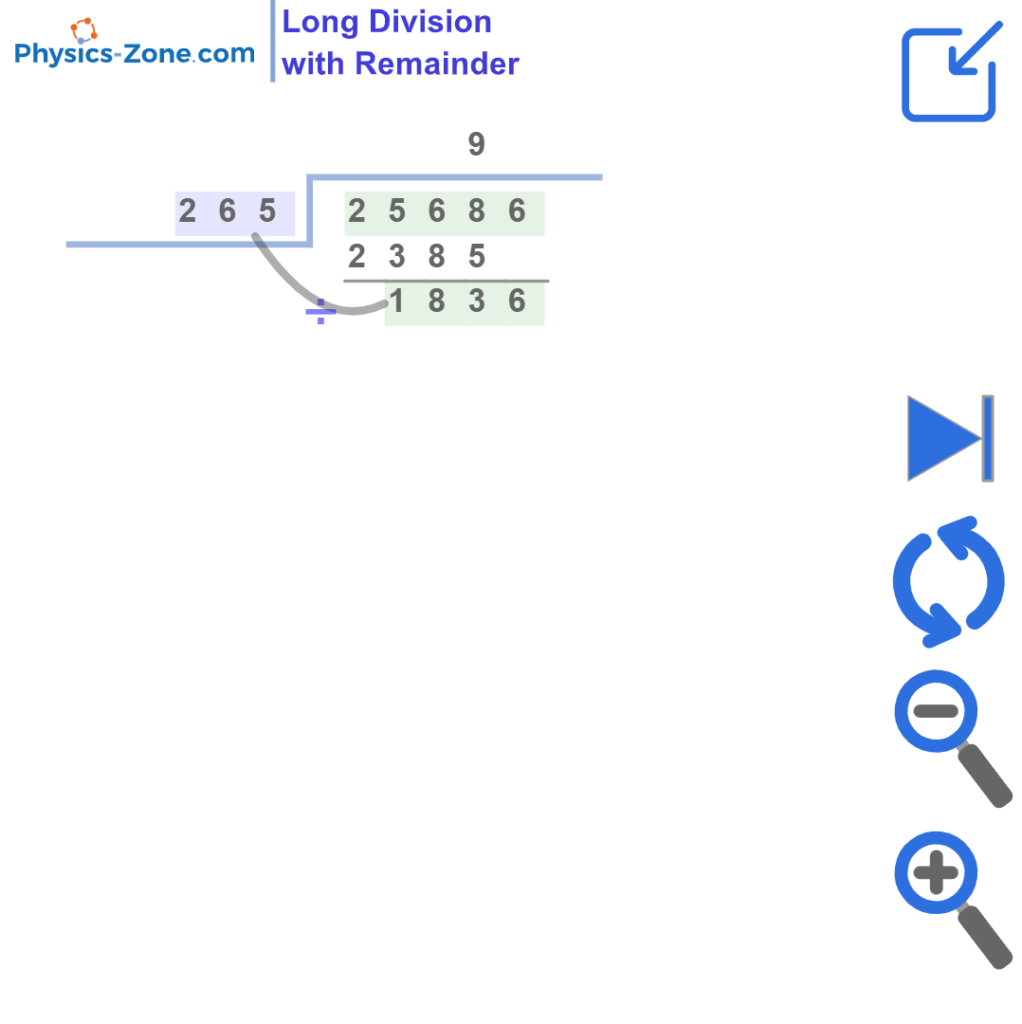
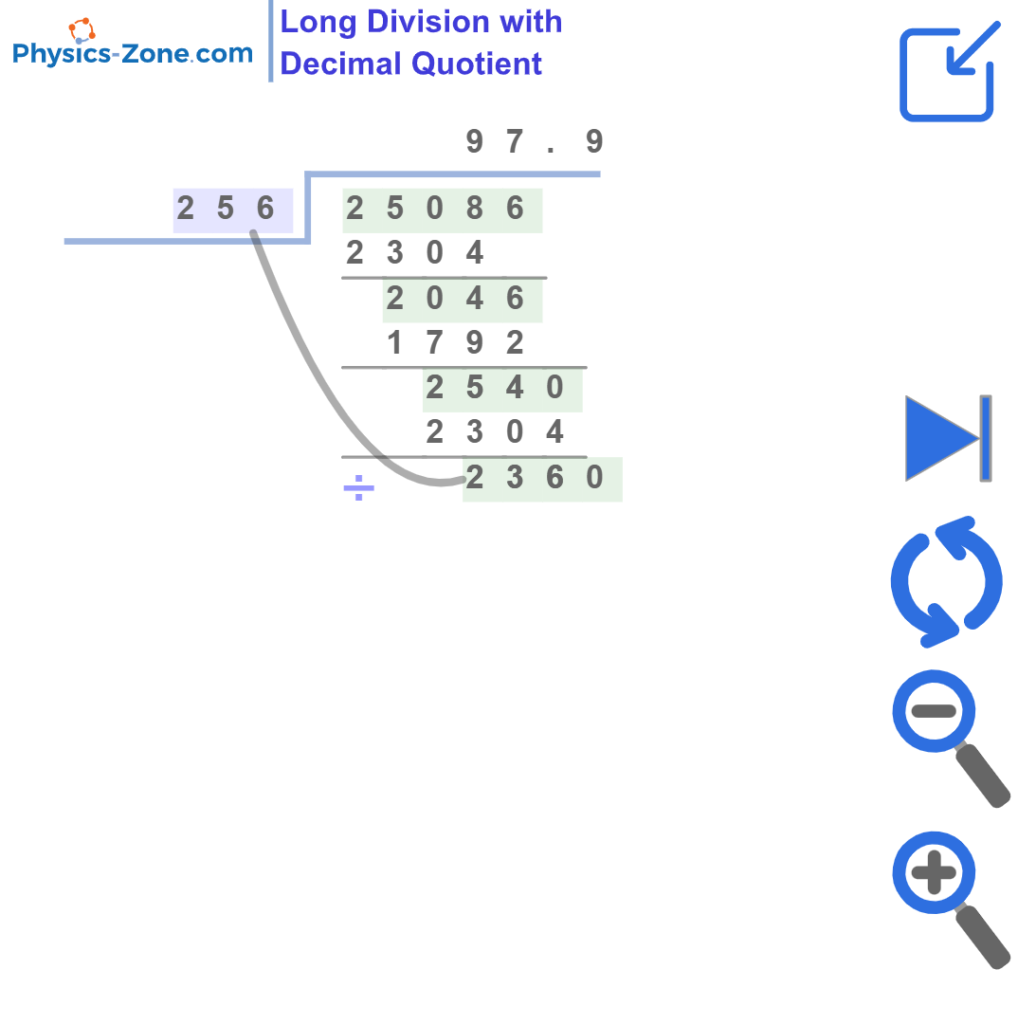
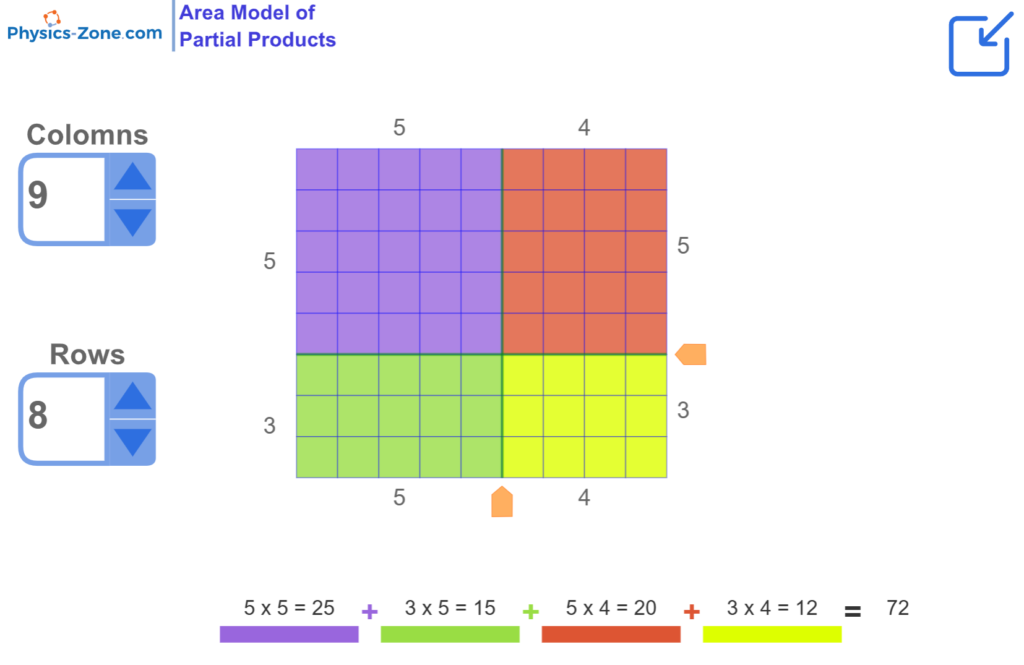
The Physics Zone Approach
Design Philosophy
Every element serves the learning goal. Interfaces are deliberately uncluttered, with clean design and optimized performance that allow learners to focus on understanding the physics rather than navigating complexity or waiting for technology to respond.
Interactive Exploration
Abstract concepts become concrete through hands-on interaction. Learners manipulate variables, observe changes in real-time, and develop intuition through exploration. Conceptual understanding deepens through seeing and experiencing principles in action.

Built for Education
Each simulation integrates seamlessly into lessons, demonstrates concepts clearly, and engages learners in meaningful discovery. This is physics and math education, de{coded}.
Latest News
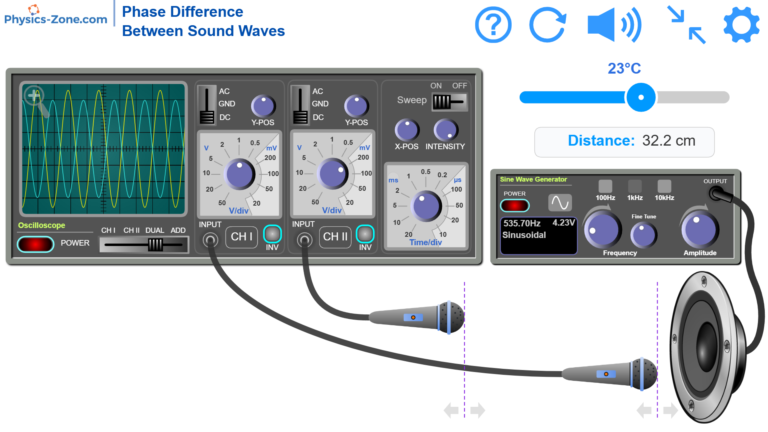
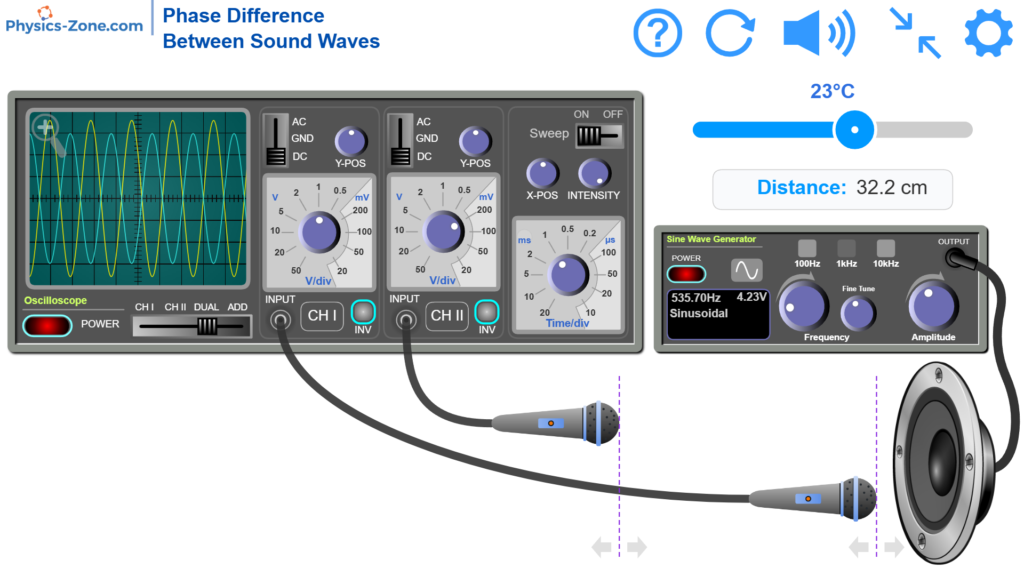
Phase Difference Between Sound Waves: Rebuilt with New Features
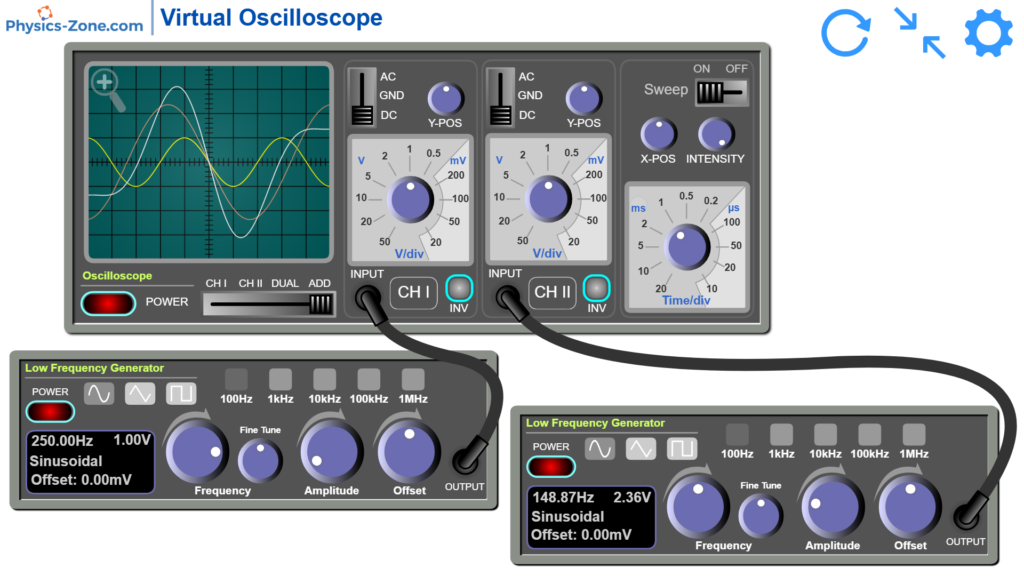
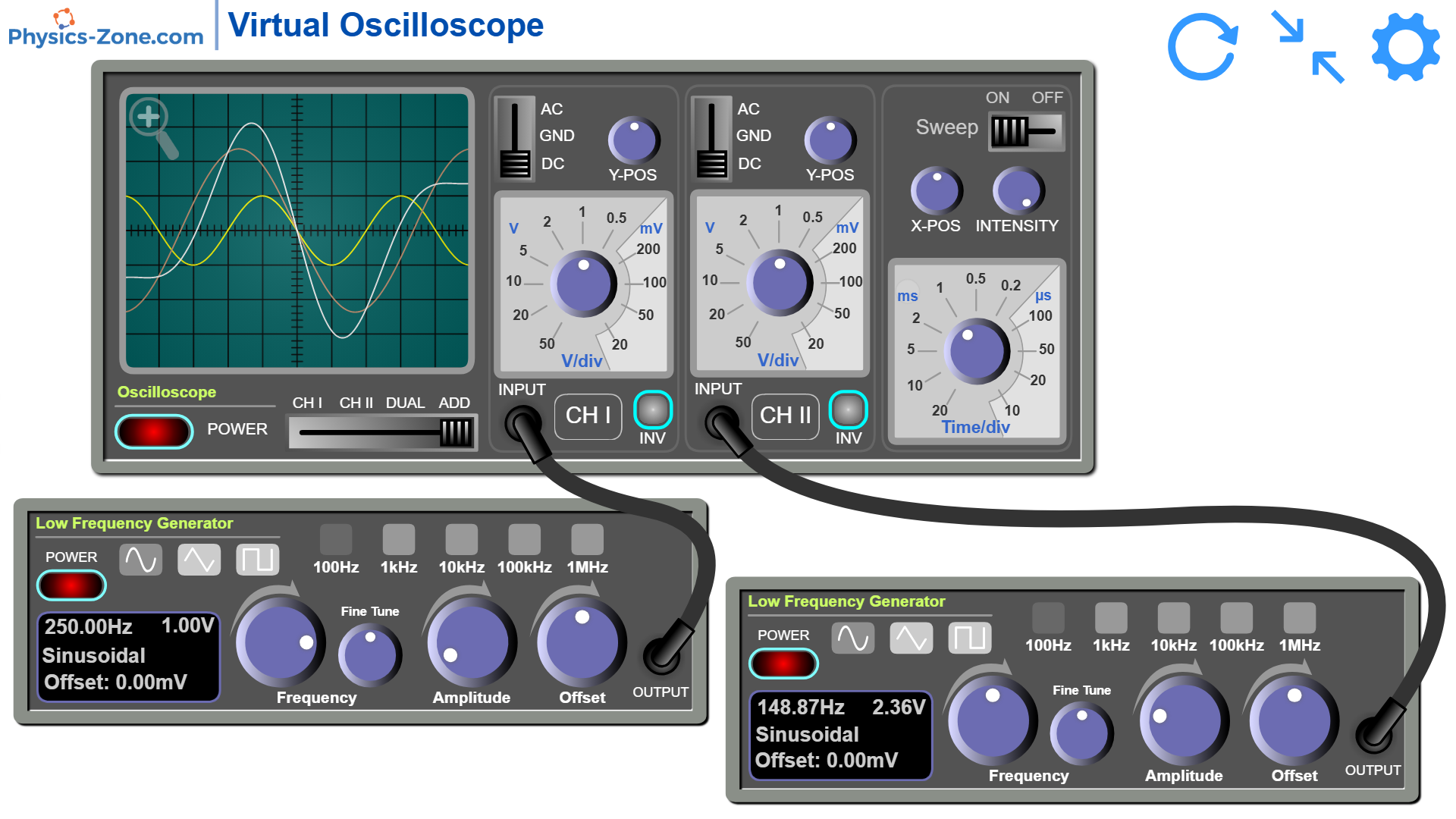
The Phase Difference Between Sound Waves simulation has been rebuilt from the ground up, with one or two microphones, snapping measurement markers, an upgraded oscilloscope, temperature control, and a guided tour.
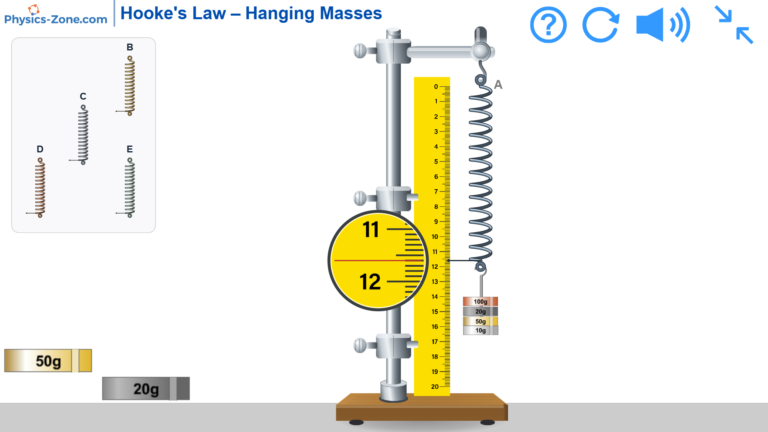
Why This Hooke’s Law Simulation Has No Slider
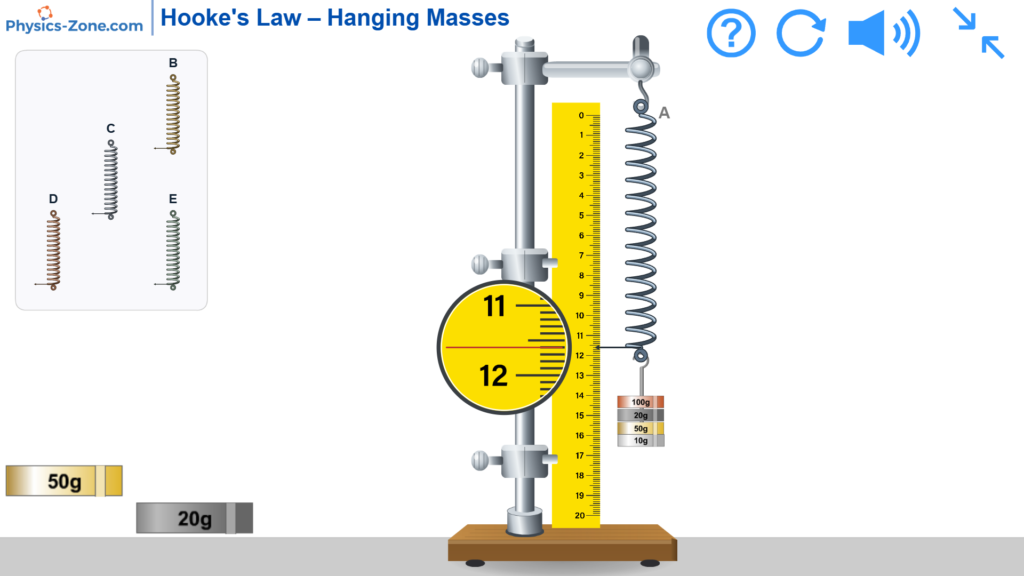
Most spring simulations give you a slider. This one gives you a mass set, a ruler, and five springs whose stiffness is never displayed – plus the ability to ruin one for good. A note on the design decisions, and on which value of g to use.